
The Health Benefits of Dates
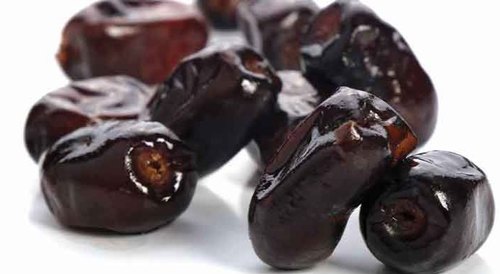
The date palm, Phoenix dactylifera, has been cultivated since around 6000 BC — one of the oldest fruit crops still grown at scale today. It’s an evergreen palm that can reach well over ten metres, bearing clusters of oblong fruit that ripen from green to a deep amber or brown depending on the variety. Fresh dates are eaten straight off the bunch in date-growing regions; the dried and semi-dried forms are what travel and sell internationally.
Dried dates keep for months without refrigeration if stored in a cool, sealed container — a genuine advantage over most fresh fruit, and part of why they became a trade staple across the Middle East, North Africa and South Asia long before modern cold chains existed.
Nutritionally, dates are dense: high in natural sugars (mostly glucose and fructose), with a meaningful amount of dietary fibre and potassium per serving compared to most dried fruit. That density cuts both ways — a small handful carries real calories, so portion matters if you’re watching intake, but it also means a few dates go further than a bag of low-fibre sweets for the same satisfaction.
Texture and taste vary a lot by variety. Softer types like Mazafati or Sayer are moist and almost caramel-like, good eaten plain or blended into a paste. Firmer varieties like Mariami hold their shape better for chopping into salads, rice dishes and baked goods. Middle Eastern kitchens use dates in savoury cooking as often as sweet — stuffed into tagines, blended into dressings, or paired with nuts and spices in rice.
You can read more about the different uses of dates in cooking if you want ideas beyond the usual snack bowl. For storage, keep dried dates in an airtight container away from direct sunlight; refrigeration extends shelf life further if you’re buying in bulk and don’t plan to use them within a month or two.