
Symptoms Of Hypoglycemia And The Unique Benefits Of Fruit
Most people know the feeling: a shaky, foggy, irritable stretch a few hours after a meal, usually somewhere between lunch and dinner or right after a workout. It’s a common, everyday experience tied to how long it’s been since eating and what that last meal actually contained — this article isn’t medical advice, and anyone with a diagnosed condition or recurring symptoms should talk to a doctor rather than a fruit list. What follows is about fruit as a practical snack choice, not a treatment.
Why fruit works as the fix for most people
Fruit brings sugar the body can use quickly, plus fibre that slows how fast that sugar hits — a combination that a plain sugary drink or a biscuit doesn’t offer. That’s the practical reason fruit tends to work better as an afternoon pick-me-up than something purely sweet: it acts faster than a slow-digesting meal but doesn’t leave the same crash a soda does.
Dates: dense, portable, and genuinely sweet
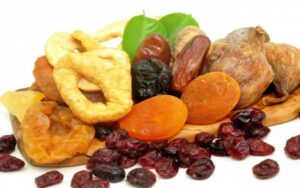
Dried dates are one of the more concentrated fruit options — a small handful carries real sweetness along with fibre and potassium, and they don’t need refrigeration or prep. Two or three dates in a bag or desk drawer cover the “something sweet, right now” moment without needing a vending machine.
Bananas and grapes: the fast option
Bananas digest quickly and travel well without bruising badly, which makes them a reasonable go-to before or after exercise. Grapes work similarly — quick sugar, easy to eat a handful at a time, no prep beyond washing.
Apples and pears: the slower-release option
Higher in fibre relative to their sugar, apples and pears tend to hold off the next dip a little longer than grapes or a banana alone. Pairing either with a small handful of nuts adds protein and fat, which slows things down further.
Pairing fruit with something else usually beats fruit alone
A piece of fruit with a few almonds, a spoon of peanut butter, or a small piece of cheese holds steadier than fruit on its own, because the fat and protein slow digestion. This is the difference between a snack that lasts 20 minutes and one that lasts two hours.
Timing matters as much as the fruit itself
Keeping a piece of fruit within reach before the dip actually hits — mid-morning, mid-afternoon — tends to work better than waiting until the shaky, irritable stage and then scrambling for something. A banana at 3pm is a more useful habit than a chocolate bar at 4pm once the dip has already set in.
Our date fruits range and healthy food picks are a good place to start if dates are going to be the regular afternoon snack.