
Natural Anti-Oxidants – Meals That Keep You Young And Wholesome
“Antioxidant” gets printed on packaging so often it’s stopped meaning much to most shoppers. The short version: they’re compounds in plant foods that neutralise free radicals, unstable molecules produced by normal metabolism and things like sun exposure and pollution. You don’t need a supplement aisle to get them — they’re already in ordinary produce, some of it more concentrated than people expect.
Colour is a rough but useful guide.
Deep reds, purples and dark greens usually carry more of the pigment compounds — anthocyanins, carotenoids, flavonoids — that also act as antioxidants. Berries, red cabbage, spinach, and dark grapes are reliable picks by this rule; pale iceberg lettuce or white potato are not, even though both are perfectly fine foods for other reasons.
Dried fruit concentrates what’s already there.
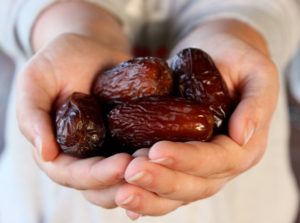
Drying removes water, not the compounds, so dates end up with antioxidant content — mostly phenolic compounds and flavonoids — concentrated relative to their weight compared to fresh fruit of similar type. That’s a property of the drying process, not a special ingredient; dried apricots and prunes work the same way. Freshness still matters for taste and texture, though — buying from a shop that turns over stock regularly is worth more than hunting for a specific “superfood” label.
Nuts and seeds add a different kind.
Almonds, walnuts and sunflower seeds carry vitamin E, which functions as an antioxidant in fat tissue and skin rather than in water-based parts of the body — a different job than the vitamin C in fruit. A small daily handful is the usual serving people reach for rather than trying to eat a large amount at once.
Spices punch above their weight by volume.
Cloves, cinnamon, oregano and turmeric test extremely high for antioxidant content gram for gram — far above most fruits — but you only use a pinch at a time, so the total contribution to your day is smaller than the lab number suggests. Useful to know, but not a reason to build a diet around spice alone.
Cooking method changes how much survives.
Some antioxidant compounds break down with high heat and long cooking times, while others (like the lycopene in tomatoes) actually become easier for the body to use once cooked. There’s no single rule — raw isn’t automatically better, and neither is cooked; it depends on the specific food.
Variety matters more than any one “superfood.”
No single food carries every type of antioxidant compound — plant chemistry is more varied than that. Eating a mix of colours and food groups across the week does more than fixating on one item, dates included, as if it were a complete answer on its own. For dates specifically, freshness and how the fruit is stored affects both taste and how much of that antioxidant content survives from harvest to plate.