
Choosing a Mazafati Dates Supplier in Malaysia: Cold Chain, Papers and Prices
If you typed “mazafati dates supplier malaysia” into a search bar, you probably want soft, dark Bam dates that arrive in good shape, at a price you can work with. The catch is that Mazafati is a fragile fruit. A supplier can have the right variety and still lose the lot if it warms up on the way.
This guide covers what Mazafati is, why the cold chain decides almost everything, which papers sit behind an imported carton, and what one Malaysian wholesaler was asking for some of its cartons when we checked in November 2026.

What you are actually buying
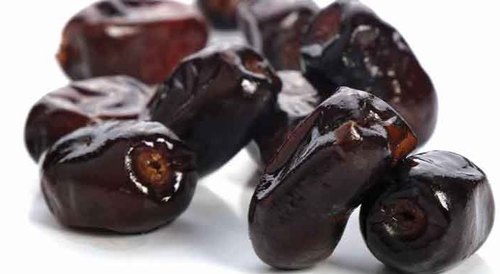
Mazafati comes from Bam, in Kerman province, Iran. In Malaysia you will see it sold as Rotab Mazafati Bam, and sometimes as kurma madu. The fruit is dark and very soft, with a lot of moisture in it, and that softness is the reason people buy it.
Malaysia has no commercial date-growing trade. Every Mazafati carton in the country was imported, so the questions that matter are about the route the fruit took, how cold it was kept, and how long it has been sitting.
The word “rotab” (rutab) names a ripeness stage, not a brand. The FAO’s date palm handbook lists five stages of development: hababouk, kimri, khalal, rutab and tamar. At the rutab stage, it says, “the fruit is very sweet.” Tamar is the fully ripe, drier stage. Mazafati is sold soft, at the rutab end of that range, and it needs refrigeration.
Why the cold chain matters more than the grade
The FAO handbook is blunt about rutab fruit. “Unless they are cold stored, the fruits quickly turn sour and become of no commercial value.” A few lines on, it notes that dates at every stage except tamar “are perishable, due to their high water content.”
The handbook’s chapter on handling lists three setbacks of rutab dates: they come in short production peaks, they are “highly perishable”, and they are delicate, “which makes handling and transport difficult and expensive.” Mazafati is sold at that soft stage, so all three apply to it.
Mazafati is cold-stored and sold all year. For a Mazafati dates supplier Malaysia-wide, the real work is keeping that cold chain unbroken from the port to the last customer.
On the shipping side, the FAO describes refrigerated sea containers in which cold air flows horizontally over the layers of fruit. It calls sea shipment in containers “an efficient and (relatively) cheap means of transport”, while air freight “is the most expensive.” It also says that for fresh dates at the khalal or rutab stage, “a temperature recorder must be placed in the container, the truck or on the surface.” If a supplier can show that record for your lot, you know how the trip went.
Once the fruit is on land, the handbook says it must be moved in a way that protects it from the environment, “if necessary, in refrigerated trucks.” Mazafati needs refrigeration, so for this fruit the chilled truck is part of the deal.
Papers behind an imported carton
The FAO handbook names two checks. It says that beside the customs, payment and transport papers, “it is important to add a phytosanitary certificate stating that the fruit is healthy.” It also advises buyers to “sample each consignment”, because quality can shift between shipments.
On the Malaysian side, import permits come from MAQIS (Jabatan Perkhidmatan Kuarantin dan Pemeriksaan Malaysia). Its permit page tells importers, exporters and agents to download and complete the registration form (Borang Syarat-syarat Pendaftaran) first, start in the SPEED system, and then apply for the permit through ePermit on Dagang Net. That page is general and does not single out dates or any other product, but it shows the registration an importer goes through before applying for a permit.
You do not need to see every form. Ask whether the importer is registered and whether the shipment came with a phytosanitary certificate.
Residue testing on Bam fruit
Spray residue is a fair thing to wonder about, and one study tested exactly this fruit. In a 2024 paper, Iranian researchers checked 12 samples of fresh Mazafati dates from Bam for 47 pesticides (PubMed 38468010). Only one, diazinon, turned up in the fruit. Its mean level was 0.037 mg/kg, and in most samples it sat below the national maximum residue limit for dates of 0.05 mg/kg. The authors’ intake assessment found no risk to consumers from the pesticides they measured.
Twelve samples is a small snapshot, not a guarantee for every carton. It does give you a fair question for any importer: has this lot been tested, and can I see the report?
Carton prices from one wholesaler
The first three rows below are rotab cartons of twelve 600 g packs, which is 7.2 kg a carton. Here are four of the rotab listings one Malaysian wholesaler had when we checked in November 2026. The per-kilo figure is the price divided by the pack weight.
| Listing (as named) | Pack | Price | Per kg | Stock when checked |
|---|---|---|---|---|
| Rotab Mazafati AAA | 12 × 600 g (7.2 kg) | RM86 | RM11.94 | Out of stock |
| Rotab BAM AAA | 12 × 600 g (7.2 kg) | RM88 | RM12.22 | Out of stock |
| Rotab (variety not named) | 12 × 600 g (7.2 kg) | RM90 | RM12.50 | Out of stock |
| Rotab Sukkary Premium | 3 kg | RM63 | RM21.00 | In stock |
These three 7.2 kg cartons sit within RM4 of each other, which works out to about 56 sen a kilo between the cheapest and the dearest. And all three were out of stock on the day. That is one wholesaler on one day, so phone around. The Sukkary line is a different variety, from Al-Qassim in Saudi Arabia, golden-amber and very sweet. It was the only one of these four listings marked in stock, and per kilo it cost at least RM8.50 more than any of the three cartons.
Grade labels like AAA are each importer’s own size sorting. There is no international standard behind them, so an AAA carton from one importer and an AAA carton from another are not promised to match. If a listing doesn’t name the variety at all, as the third row doesn’t, ask before you order. Our post on what shapes the price in a wholesale dates deal goes further into volume commitments and payment terms.
What to ask a Mazafati supplier before the first order
A short phone call covers most of it:
- Is this listing Mazafati from Bam, or a rotab carton with the variety left off?
- Where is the stock held between the port and my door, and is it chilled the whole way?
- Can you show the temperature record for the container this lot came in?
- Did the shipment come with a phytosanitary certificate, and are you registered with MAQIS?
- What does your grade label mean in practice, and can I see a sample carton first?
- How many cartons is the minimum order, and do you deliver chilled to my state?
Settle the minimum order and sample policy before you talk price. This piece on how minimum orders and payment terms usually work is a useful read before you negotiate. For the wider picture of buying dates for a business, see our guide to dates wholesale for businesses.
Handling the stock once it arrives
Put the cartons in the chiller the day they arrive. The FAO’s warning about rutab fruit turning sour without cold storage applies just as much once the cartons reach your shop. Check one pack from each carton when it comes in, as the handbook advises for each consignment, and note anything that smells sour or looks wet and split.
If some of your buyers ask about sugar, our post on what the studies on dates have measured covers the blood sugar trials in plain language.
Questions buyers ask
Is Mazafati the same as kurma madu?
Yes. In Malaysia, “kurma madu” and “Rotab Mazafati Bam” are both trade names for Mazafati from Bam, Iran.
Can I get Mazafati outside Ramadan?
Yes. The fruit is cold-stored and sold year-round. One wholesaler being out of stock on a given day is about that wholesaler’s stock, not the calendar.
Does AAA mean the same thing at every importer?
No. Grades are each importer’s own size sorting, so compare sample cartons rather than labels.
Is Piarom just another name for Mazafati?
No. Piarom is a separate variety, from Hormozgan in Iran, and it is semi-dry with a thin skin. It is not from Bam.
Whatever your search for “mazafati dates supplier malaysia” turns up, ask each name for one sample carton and one temperature record. A supplier who sends both quickly has earned a second look. If they can’t, keep looking, because a soft date only holds up when it stays cold.