
Guadalupe Palm – Brahea Edulis
What the Guadalupe palm actually is
Brahea edulis, the Guadalupe palm, grows wild on a single island — Guadalupe Island off Baja California, Mexico — and nowhere else in the world. It’s a fan palm, not a feather palm like the true date palm (Phoenix dactylifera), so the leaves spread out in a round pleated disc rather than the long feathery fronds most people picture on a date tree.
The fruit is a small, sweet date look-alike
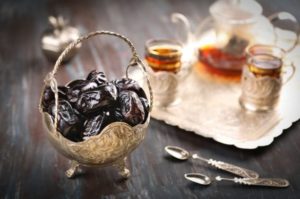
The tree produces clusters of round black fruit, each about 2–2.5cm across, with a thin sweet flesh over a single hard seed. Locally they’re sometimes called “hardy dates” or “wild dates” because the taste and texture are date-like, if smaller and less fleshy than the commercial dates grown on Phoenix dactylifera plantations. Birds and feral animals on the island eat them readily, and they were historically eaten by island residents too.
Why it’s a popular ornamental palm far from its home island
Guadalupe palm has become a landscaping favourite in California, Arizona and other dry-summer climates for reasons that have nothing to do with the fruit: it tolerates drought once established, shrugs off both coastal salt spray and light frost down to about -9°C, and needs almost no pruning because old fronds drop cleanly on their own. It’s slow-growing — often under a metre of height gained per decade — which suits it to smaller gardens where a fast-growing palm would eventually outgrow the space.
Guadalupe palm vs. the date palm grown for fruit
Commercial dates — Ajwa, Medjool, Mazafati and the other varieties sold for eating — all come from Phoenix dactylifera, cultivated for centuries specifically for fruit size, sweetness and yield. Brahea edulis was never bred for fruit production; its small dates are a side effect of it being a fan palm in the same broad palm family, not a competing “date” crop. If you’re after dates to eat rather than a drought-tough landscaping tree, the fruit still comes from Phoenix dactylifera palms grown specifically for that purpose.
The Guadalupe palm is now considered vulnerable in its native range due to grazing pressure from introduced goats on the island over the past two centuries, even as it thrives as a garden tree everywhere else it’s planted. For the dates you’d actually want to eat rather than admire on a landscaped palm, see our kurma varieties and nutrition guide or browse fresh date fruit sourced from working date plantations.