
Dates in Cuisine: Malaysian and Middle Eastern Dishes

Introduction: The Timeless Role of Dates in Culinary Traditions
Across centuries and cultures, dates have remained one of the most beloved and versatile fruits in global cuisine. Their naturally sweet, caramel-like flavor and dense nutrition have made them a vital ingredient in both traditional and modern recipes. From the deserts of the Middle East to the tropical kitchens of Malaysia, dates symbolize nourishment, hospitality, and abundance.
Today, the concept of Dates in Cuisine extends beyond being a simple fruit snack. Dates are now celebrated as a premium culinary ingredient that enhances savory meals, elevates desserts, and balances flavors in sauces, marinades, and beverages. Whether used whole, chopped, or blended into paste, dates lend richness and depth to a wide variety of dishes.
This article explores creative and authentic ways to incorporate dates into both Malaysian and Middle Eastern cooking, merging traditional roots with modern taste innovation.
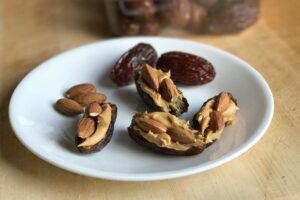
The Culinary Significance of Dates
Dates have been a staple food in Middle Eastern diets for thousands of years. In countries like Saudi Arabia, Egypt, and Palestine, dates are often the first food consumed during Ramadan to break the fast. This tradition is both spiritual and practical—dates quickly restore energy and hydration.
Their culinary significance lies not only in flavor but also in their versatility. They complement sweet and savory profiles alike, blending beautifully with spices, nuts, dairy, and meats. In Malaysia, dates are widely used in festive meals and increasingly in health-conscious recipes that value natural sweeteners over processed sugar.
Premium varieties such as kurma medjool palestine and kurma safawi malaysia are prized for their rich texture, deep flavor, and ability to elevate dishes across cuisines.
Malaysian Cuisine and the Rise of Date-Based Dishes
Malaysian cooking is known for its fusion of Malay, Chinese, and Indian influences. The growing trend of health-based cooking has led many Malaysians to embrace dates as a natural sweetener and energy source.
In recent years, creative chefs have integrated dates into both traditional and modern Malaysian dishes, from sweet kuih (desserts) to savory curries. The tropical climate and diverse culinary palate make dates a perfect match for ingredients like coconut milk, pandan leaves, lemongrass, and chili.
Some Malaysian households even blend dates into energy drinks or milk-based beverages to create nutritious iftar refreshments during Ramadan. This fusion of local and Middle Eastern flavors reflects the shared cultural love for wholesome, naturally sweet food.
Middle Eastern Cuisine: The Heart of Date-Based Cooking
In Middle Eastern gastronomy, dates are more than an ingredient—they are a heritage. They feature prominently in both daily meals and celebratory feasts. The natural sweetness of dates balances the earthy flavors of lamb, the warmth of spices like cumin and cinnamon, and the freshness of yogurt-based sauces.
From Moroccan tagines to Persian rice dishes and Arabian desserts, dates add layers of complexity and nourishment. They are also used to sweeten coffee, enrich sauces, and create luxurious desserts such as ma’amoul (date-filled cookies).
By understanding the Middle Eastern approach to Dates in Cuisine, chefs around the world can draw inspiration to add elegance and depth to their dishes.
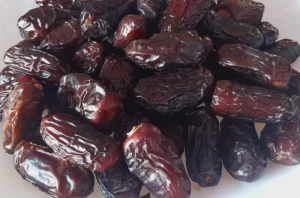
Sweet Creations: Malaysian Desserts Reimagined with Dates
Dates bring an elevated sweetness and moisture to traditional Malaysian desserts, providing a healthier and more flavorful alternative to refined sugar.
Some creative examples include:
Date Kuih Seri Muka – Replacing palm sugar with date paste gives this classic sticky rice and pandan dessert a softer sweetness and nutritional boost.
Date Dodol – A twist on the traditional sticky toffee-like dodol, this version uses blended dates for a richer texture and caramel undertone.
Date Pancakes (Lempeng Kurma) – A modern breakfast adaptation where mashed dates are mixed into the batter, creating naturally sweet, fluffy pancakes that require little to no syrup.
Date Smoothies and Milkshakes – Blending dates with milk, bananas, or almonds creates a deliciously thick, energizing drink, often enjoyed during fasting periods.
These reinterpretations show how dates can enhance Malaysian desserts while promoting healthier eating habits.
Savory Innovations: Balancing Sweetness and Spice
While dates are commonly associated with desserts, they are equally powerful in savory dishes. Their sweetness acts as a natural balance to spices, acidity, and saltiness, making them an exceptional complement in main courses and side dishes.
Dates in Sambal Sauce – Adding minced dates to sambal creates a balanced sweet-and-spicy flavor that pairs beautifully with grilled seafood or roasted chicken.
Dates in Chicken or Beef Rendang – Using blended dates instead of sugar or tamarind paste provides subtle caramelization and thickness to the sauce.
Stuffed Dates with Coconut and Lemongrass – Fresh dates can be filled with shredded coconut infused with lemongrass, creating a fusion appetizer that embodies Malaysia’s tropical flair.
Date Curry with Lentils – A vegetarian dish where dates add sweetness and texture to lentils simmered in turmeric, cumin, and chili.
These dishes demonstrate that dates can bridge culinary worlds, seamlessly blending with the fiery, aromatic depth of Malaysian cuisine.
Middle Eastern Classics: A Celebration of Flavor and Heritage
The Middle East offers countless dishes that showcase the artful use of dates. Here are some timeless examples:
Stuffed Lamb with Dates and Almonds – A luxurious dish often served at feasts, featuring lamb stuffed with a date-almond mixture that infuses the meat with sweetness and aroma.
Date and Bulgur Pilaf – A side dish combining nutty bulgur wheat, caramelized onions, and chopped dates, offering a satisfying mix of sweet and savory.
Tagine with Dates and Apricots – A Moroccan slow-cooked stew with chicken or lamb, enhanced by the natural sweetness of dates and dried fruits.
Date-Stuffed Pastries (Ma’amoul) – Buttery cookies filled with date paste, symbolizing celebration and hospitality.
Date Coffee (Qahwa al-Tamr) – Ground dates mixed with Arabian coffee and cardamom, offering a naturally sweet, aromatic beverage served to guests.
These dishes highlight how Dates in Cuisine represent not only flavor but also tradition and community.
The Art of Pairing Dates with Ingredients
To use dates effectively in both Malaysian and Middle Eastern recipes, understanding ingredient pairing is key.
Best complementary flavors include:
-
Nuts: Almonds, pistachios, and walnuts enhance texture and richness.
-
Spices: Cinnamon, cardamom, nutmeg, and cloves highlight dates’ warmth.
-
Fruits: Oranges, figs, and bananas create harmonious sweetness.
-
Proteins: Chicken, lamb, and tofu benefit from the caramel notes of dates.
-
Liquids: Coconut milk, yogurt, and coffee balance their richness.
This versatility allows dates to transition effortlessly from appetizers to desserts while maintaining their natural character.
Healthy Alternatives: Dates as Natural Sweeteners
In modern kitchens, dates are gaining popularity as a natural alternative to sugar. They are nutrient-dense, providing fiber, potassium, magnesium, and antioxidants—all absent in refined sweeteners.
Date paste, date syrup, and chopped dates can replace sugar in cakes, sauces, and beverages without compromising flavor. The result is healthier recipes that promote sustained energy and improved digestion.
For Malaysians who enjoy traditional sweets but wish to reduce processed sugar, dates offer the ideal solution. Their earthy sweetness pairs perfectly with coconut, pandan, and tropical fruits.
Dates in Fusion and Contemporary Cuisine
As culinary innovation grows, chefs worldwide are experimenting with dates in modern and cross-cultural dishes.
-
Date-Glazed Salmon: Combining soy sauce, ginger, and date syrup creates a glossy glaze with an Asian twist.
-
Date-Infused Salad Dressings: Pureed dates mixed with lemon juice and olive oil make a nutritious vinaigrette.
-
Date and Goat Cheese Flatbreads: A sweet-and-savory appetizer popular in cafes and fusion restaurants.
-
Date Chutney: A tangy-sweet condiment perfect for grilled meats or vegetarian platters.
These dishes demonstrate that dates are not limited by geography—they adapt beautifully to various culinary styles and preferences.
Preserving the Cultural Essence of Dates
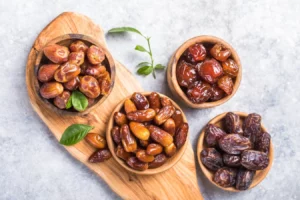
While modern chefs experiment with new ideas, the cultural heritage of date consumption remains deeply valued. In both Malaysia and the Middle East, sharing dates represents generosity, hospitality, and unity.
During Ramadan, dates mark the end of fasting; during family gatherings, they symbolize warmth and blessing. Incorporating traditional date-based recipes ensures that these values continue to thrive alongside modern culinary innovation.
By celebrating both authenticity and creativity, Dates in Cuisine serves as a bridge between past and present, tradition and innovation.
The Role of Premium Date Varieties in Culinary Excellence
Not all dates are created equal. High-quality varieties like kurma medjool palestine and kurma safawi malaysia bring unparalleled texture and sweetness to dishes.
Medjool dates are prized for their large size, soft flesh, and honey-like flavor, ideal for desserts and smoothies. Safawi dates, darker and slightly chewy, are perfect for savory recipes or stuffing due to their deep, caramel undertone.
Using these premium dates elevates not just the taste but also the nutritional and cultural authenticity of the dish.
Conclusion:
Dates have transcended time, geography, and culinary boundaries to become a universal ingredient of health, flavor, and heritage. From Malaysian kitchens experimenting with pandan and coconut to Middle Eastern feasts rich with spice and tradition, dates continue to unify cultures through food.
The exploration of Dates in Cuisine reveals more than recipes—it highlights the artistry of balance, where natural sweetness complements spice, and nourishment meets indulgence.
Whether in a delicate dessert, hearty stew, or refreshing drink, dates bring warmth, wellness, and sophistication to every dish. As premium varieties like kurma medjool palestine and kurma safawi malaysia find their way into kitchens around the world, the humble date remains a timeless symbol of nourishment and celebration.