
Discovering Kurma Medjool: Origins, Taste, and Cultural Significance
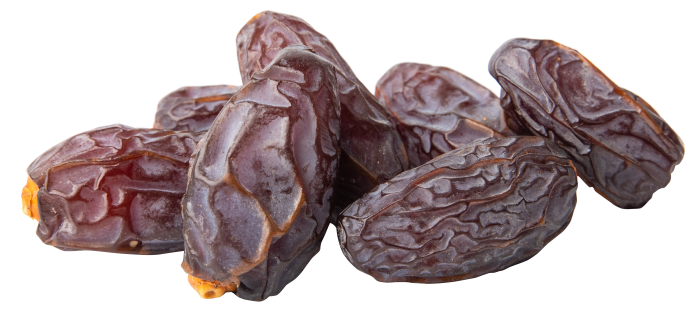
Kurma Medjool, also known as Medjool dates, is a variety grown in Malaysia. Known for their rich flavor and succulent texture, these dates have gained popularity among date enthusiasts worldwide. This post covers the origins, taste, and cultural significance of Kurma Medjool Malaysia, along with a look at some traditional customs around gifting and exchanging dates.
The origins of Kurma Medjool Malaysia
The origins of Kurma Medjool Malaysia trace back to the Middle East, where Medjool dates have been cultivated for thousands of years. These dates were introduced to Malaysia and have since taken to the country’s tropical climate and fertile soil. Malaysian farmers have refined the cultivation and harvesting process, resulting in the Kurma Medjool Malaysia variety sold today — see our note on verifying authenticity if you’re buying it for the first time.
Taste and characteristics
Kurma Medjool is known for its taste and texture. These dates are large, plump, and have a soft, chewy bite. With a caramel-like flavor, they offer a blend of sweetness and slight nuttiness. Kurma Medjool is often called the “king of dates” for its size and quality relative to other varieties.
Cultural significance and consumption
In Malaysia, dates hold cultural significance, particularly during the holy month of Ramadan, when Muslims break their fast with dates as part of Ramadan tradition. Kurma Medjool is highly sought after during this period and is a staple in Malaysian cuisine.
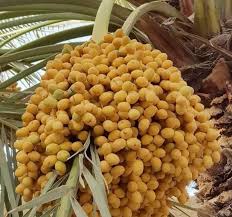
Outside of Ramadan, Kurma Medjool Malaysia is eaten year-round as a versatile ingredient. It’s commonly used in desserts, smoothies, salads, and savory recipes, adding sweetness and depth to both traditional and modern dishes.
Traditional customs related to gifting or exchanging dates
Gifting or exchanging dates carries meaning in many cultures, tied to hospitality and goodwill. A few traditional customs associated with dates:
Iftar sharing
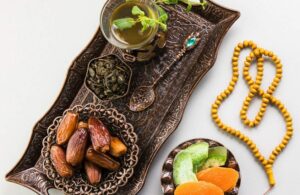
During Ramadan, it’s customary to share dates during iftar, the evening meal that breaks the fast — a small gesture tied to community and generosity.
Festive celebrations
In many cultures, dates are exchanged as gifts during festive celebrations such as Eid al-Fitr, often presented in decorated boxes or baskets.
Wedding favors
In some cultures, dates are given as wedding favors to guests, a gesture meant to wish the newlyweds well.
Hospitality and welcoming guests
In various Middle Eastern and North African cultures, offering dates to guests is a customary sign of hospitality.
What’s in Kurma Medjool Malaysia
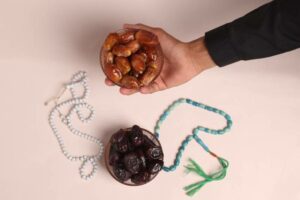
Beyond taste, Kurma Medjool Malaysia carries dietary fiber and natural sugars, along with minerals such as potassium, magnesium, and iron, part of the composition typical of dates as a fruit.
Kurma Medjool Malaysia is a natural source of energy from its high carbohydrate content, which is why it’s a common snack option for athletes and anyone needing an energy lift during the day.
It also contains antioxidant compounds, including flavonoids and phenolic compounds — the same broad class found in many other fruits and vegetables.
Sustainable date farming in Malaysia
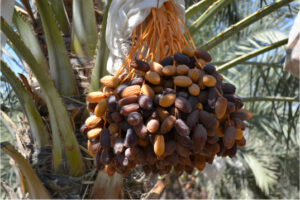
Malaysia’s date farming industry has leaned into sustainable practices to keep cultivation viable long-term. Farmers focus on water management, using efficient irrigation and conserving water. Many also use organic methods, cutting back on synthetic fertilizers and pesticides.
Date palm trees also help prevent soil erosion and support ecological balance in the Malaysian landscape — their deep roots stabilize soil against heavy rainfall and help maintain fertility.
Exploring different date varieties in Malaysia
Beyond Kurma Medjool Malaysia, Malaysia carries a range of date varieties, including Ajwa, Safawi, Mabroom, and others. Each has its own taste, texture, and culinary use. If freshness is a concern with a soft variety like Medjool, our tips on keeping Medjools fresh covers storage in more detail.
Whether you prefer the soft, caramel-like Kurma Medjool Malaysia or the richer, slightly drier Ajwa dates, there’s a variety suited to most tastes and uses.
Incorporating Kurma Medjool Malaysia into recipes
Kurma Medjool Malaysia’s sweet flavor makes it a versatile ingredient. From desserts to savory dishes, it adds sweetness and a bit of texture contrast to a recipe.
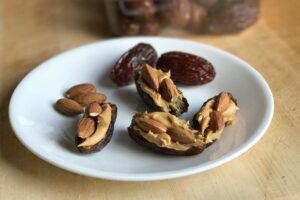
Try it in homemade energy bars, smoothies, or oatmeal as a natural sweetener. It also works stuffed with nuts or cheese as an appetizer, or added to salads for sweetness and texture.
For something different, add Kurma Medjool Malaysia to meat or poultry dishes such as tagines or stews, where its sweetness balances savory flavors.
| Key highlights of the post: |
| Kurma Medjool from Malaysia — origins, taste, and cultural significance.
Traditional customs related to gifting and exchanging dates. What’s in Kurma Medjool. Sustainable date farming in Malaysia. Different date varieties, and ways to use Kurma Medjool in recipes. |
Conclusion
Kurma Medjool Malaysia combines taste with cultural weight — a variety eaten during Ramadan and year-round alike. The traditional customs around gifting and exchanging dates add another layer to what is, at its core, a fruit worth knowing the origin and variety of before you buy.