
Natural Anti-Oxidants – Meals That Maintain You Young And Healthy
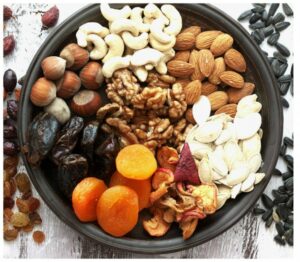
What an antioxidant actually is
An antioxidant is a compound that slows down oxidation, the same chemical process that turns a cut apple brown or makes oil go rancid if it’s left open too long. Plants make their own antioxidants (polyphenols, carotenoids, vitamin C) partly to protect themselves from that same oxidative damage. Eating a wide mix of plant foods is the simplest way to get a wide mix of these compounds; no single “superfood” carries all of them.
Where dates fit in
Dates, especially darker varieties, carry a fair amount of polyphenols, the same broad family of compounds found in berries, dark chocolate and tea. That’s mostly a colour signal: the darker the skin or flesh, the more of these pigments tend to be present. It’s one reason a fully ripened, darker date often tastes richer than a paler, underripe one, the compounds that colour it also carry flavour.
The rest of the plate
Berries (blueberries, blackberries) are the classic source, along with dark leafy greens like spinach and kale, and colourful vegetables like beetroot and red cabbage. Nuts, particularly walnuts and pecans, add a fat-soluble type. None of these need to be eaten in large amounts or as a “cure” for anything; the point is variety across the week rather than one food eaten heavily.
Storage matters more than people expect
Antioxidant content in fresh produce drops the longer it sits, especially once it’s cut and exposed to air. Dates hold up better than most fresh fruit here because they’re naturally low-moisture, but they still do best kept sealed and out of direct light rather than left open on a counter. Buying whole, unpitted dates and slicing them just before eating keeps more of the original compound intact than pre-cut fruit that’s been sitting for days.
A simple way to build a plate around this
Breakfast: berries or chopped dates over yoghurt. Lunch: a handful of spinach or red cabbage in whatever you’re already eating. Snack: a few whole dates with walnuts. It’s not a special diet, just a habit of reaching for the darker-coloured option when there’s a choice on the shelf.
For sourcing good-quality rotab and dates for a plate like this, see our notes on the nutritional profile of dates, or on buying dates wholesale if you’re stocking up in bulk.