
Kurma Supplier Malaysia: Sourcing Nature’s Sweet Treasure
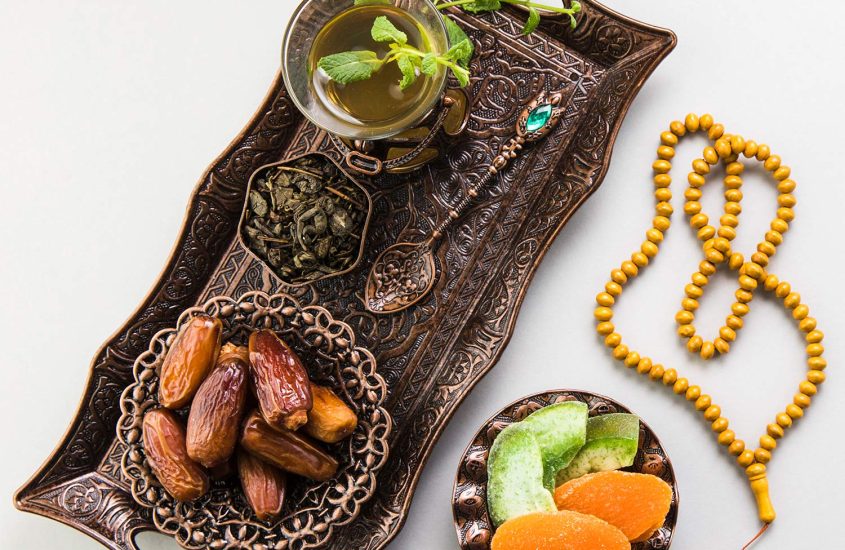
Exploring kurma suppliers in Malaysia
Malaysia’s dates market runs on import, since the plant doesn’t grow commercially here the way it does in the Gulf or North Africa. A kurma supplier Malaysia buyer can trust is really a logistics business first — sourcing from growers in Saudi Arabia, Iran, Tunisia, and elsewhere, then getting the fruit through customs and into local hands while it’s still in good condition. Medjool, Ajwa, Mariami, and Rotab Mazafati all move through this same chain, just from different origin countries.
The importance of choosing a reliable supplier
Selecting the right kurma supplier is about more than price. A reputable one runs quality control through packaging and storage, so what you receive matches what you ordered rather than a stock photo. Established suppliers can also trace where a batch came from and when it was harvested — ask for that and see how specific the answer is. A vague “premium quality guaranteed” tells you less than a straight answer naming the country of origin and the shipping date.
What “sourcing” actually involves
Sourcing isn’t a single step — it’s a chain of decisions a supplier makes before a box ever reaches a customer. That starts with picking which growers to buy from, continues through how the fruit is graded and packed for the trip, and ends with how it’s stored once it lands in Malaysia. Each link in that chain is a place quality can slip if nobody’s checking.
Grading and authenticity
Grading systems vary by variety and by exporter, but the basics are consistent: size, moisture, skin condition, and freedom from damage. A supplier who can explain their own grading criteria — not just “Grade A” on a sticker — is one who actually applies a standard rather than repeating a marketing term. This matters most for authenticity, since mislabelled or blended stock is a real risk in a market with this many resellers between grower and shelf.
Storage after arrival
Once dates clear customs, how they’re stored determines how they’ll taste weeks later. Softer, moister varieties like Ajwa need consistent cool storage; drier varieties tolerate more. A supplier who keeps everything in the same conditions regardless of variety is cutting a corner somewhere.
Choosing a supplier
When comparing options, ask where the stock comes from, how it’s graded, and how it’s stored — a supplier who answers plainly is usually the one worth ordering from again. See how importers select their own suppliers for more detail on what that vetting process looks like from the buying side, and check the full range for current stock.